
Many craft makers first notice stingray leather because of its unusual pearl-like texture. A knife maker may see it on a custom handle. A leather worker may notice it on a wallet panel or watch strap. A sword grip maker may be drawn to its traditional look and strong visual character.
But before choosing it for a project, a practical question usually comes first: what is stingray leather, and how do you know which piece is right for your work?
Stingray leather is a natural material made from stingray skin. It is known for its raised pearl texture, firm surface character, and distinctive appearance. For craft makers, it is not just a decorative material. It can become the visual center of a knife handle, sword grip, wallet, strap, belt detail, saddlery accent, or custom leather craft project.
At the same time, genuine stingray leather is not a perfectly uniform sheet material. Each piece can vary in size, grain, pearl layout, color tone, thickness, and surface marks. Understanding that natural variation helps buyers choose more confidently.
What Makes Stingray Leather Different?
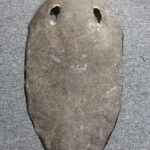
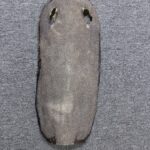
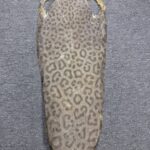
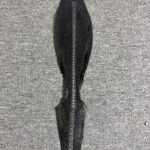
The most noticeable difference is the texture. Stingray leather has a naturally beaded surface that looks very different from smooth cowhide, suede, or embossed leather. The surface can feel firm and dimensional, with a pearl-like pattern that catches light in a distinctive way.
This texture is one reason makers use stingray leather in projects where a small piece of material needs to carry strong visual impact. A knife handle does not need a large surface area to look special. A wallet panel, watch strap, belt insert, or decorative inlay can also benefit from the material’s natural pattern.
Another difference is individuality. Even when two pieces are sold under the same material type, color, or size, they will not be identical. One piece may show a stronger center pearl area. Another may have a quieter grain or more visible natural marks. This is normal for genuine stingray leather.
For craft buyers, the key is to choose based on the project, not only the product name.
Why the Pearl Texture Matters
The pearl texture is the feature most people remember. It gives stingray leather its recognizable look and makes it useful for projects where texture matters as much as color.
For knife handles and sword grips, the pearl pattern can add a traditional or premium character. For wallets, watch straps, bags, belts, and decorative inlay, it can create contrast against smoother leather, metal parts, stitching, or wood.
The pearl texture also affects how buyers should evaluate a piece. If the center area is important to your design, photos matter. If the project will use smaller cut sections, the overall usable area, color, and surface consistency may matter more.
This is why it helps to think about the final use before ordering. A maker buying for a handle wrap may judge the material differently from someone buying for a wallet panel or watch strap.
Common Uses in Craft Projects
Stingray leather is used in many types of craft work, especially where makers want a material with strong texture and visual identity.
Common applications include knife handles, sword grips, wallets, watch straps, belts, saddlery decoration, bags, decorative inlay, and custom leather craft projects.
Knife makers often choose stingray leather for handle accents or grip work. Sword grip makers may use it for its traditional appearance and textured surface. Wallet and watch strap makers may use dyed stingray leather when color and surface character are important. Belt, bag, and saddlery makers may use it as a decorative panel or accent rather than the entire structure.
If you are comparing available pieces, the Shop page is the best place to view current materials. For a more focused choice, you can also start with Dried Stingray Leather, Dyed Stingray Leather, or Bleached Dried Stingray Leather.
Dried, Dyed, and Bleached Stingray Leather
Not every stingray leather piece is prepared for the same kind of project. On PIWA Leather, the main material directions are dried, dyed, and bleached dried stingray leather.
| Material Type | Appearance | Common Use | Notes |
|---|---|---|---|
| Dried Stingray Leather | Natural-looking surface and tone | Knife handles, sword grips, inlay, belts, saddlery, wallets | Good for makers who want a more natural material appearance |
| Dyed Stingray Leather | Colored surface with visible pearl texture | Wallets, watch straps, bags, belts, decorative panels, custom craft | Useful when the project needs a stronger color direction |
| Bleached Dried Stingray Leather | Lighter base with natural pearl texture | Light-color projects, dyeing work, inlay, handles, straps, decorative craft | Suitable when makers want a cleaner or lighter material base |
For a natural look, dried stingray leather is often a good place to begin. If color is important, dyed stingray leather may be more suitable. If you need a lighter base, bleached dried stingray leather may be worth reviewing.
Buyer Checklist Before Ordering Stingray Leather
Before ordering stingray leather online, it helps to check a few practical details.
- Choose the right size for your craft project.
- Check the pearl texture and center area.
- Confirm whether you need dried, dyed, or bleached material.
- Ask for available photos for larger or matched orders.
- Confirm packing and shipping details.
- Contact us for bulk orders or special size requests.
This checklist is especially useful when the project requires matching pieces, a specific color direction, or a visible pearl area. For small craft projects, the listed product photos and size information may be enough. For larger workshop orders or special requirements, it is better to contact PIWA Leather before ordering.
What Buyers Should Check Before Ordering
Size is one of the first things to consider. Think about the usable area you need, not only the listed size. A knife handle, wallet panel, watch strap, belt section, or inlay piece may require different cutting plans.
Grade is also important, but it should not be judged alone. A higher grade may offer a cleaner appearance, while a lower grade may still be useful depending on the project. Always consider grade together with photos, surface character, and intended use.
Color should be checked carefully, especially for dyed pieces. Natural materials and dyed finishes can vary slightly between pieces or batches.
Pearl texture is another key point. If the pearl area will be visible in the final project, look closely at the photos or ask what is available.
Finally, keep natural variation in mind. Genuine stingray leather may show differences in grain, pearl layout, thickness, tone, and surface marks. These differences are part of working with a natural craft material.
FAQ
Is every piece of stingray leather the same?
No. Each piece has its own pearl pattern, grain, tone, size character, and surface marks. Even pieces from the same category may look different. This natural variation is one reason many makers choose genuine stingray leather.
Can stingray leather be used for knife handles?
Yes. Stingray leather is often used for knife handles, grip accents, and decorative handle work. Makers should check size, texture, surface appearance, and how the material will fit the handle design before ordering.
What is the difference between dried and dyed stingray leather?
Dried stingray leather usually keeps a more natural appearance. Dyed stingray leather has color added for projects that need a stronger visual direction. Both can show the natural pearl texture, but the final look and application may be different.
Should I ask for photos before ordering?
For many small orders, product photos may be enough. For larger quantities, matched pieces, special colors, or projects where the pearl pattern is important, asking for available photos can help reduce misunderstanding.
Do you accept small or bulk orders?
Retail orders can be placed through the Shop. For bulk orders, special sizes, matched lots, or color questions, buyers can send requirements through the Contact page before ordering.
Conclusion
Stingray leather is a distinctive natural material for craft makers who want texture, character, and a strong visual effect. It can be used for knife handles, sword grips, wallets, watch straps, belts, saddlery details, bags, decorative inlay, and custom leather craft projects.
The best choice depends on your project. Consider the size, material type, color, pearl texture, natural variation, and whether you need a single piece or a matched lot.
To compare current materials, visit the Shop. For bulk orders, special sizes, or matched pieces, contact us with your project requirements.